
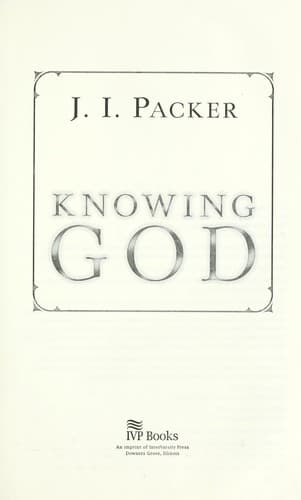
Knowing God
J. I. Packer
Why it's here: A study of what it means to know God, from the character of God to the privileges of being his child.
Sermon Registry may earn a small commission if you buy through links marked “Affiliate link”, at no extra cost to you. It never decides what is recommended. How recommendations work
As an Amazon Associate I earn from qualifying purchases.
- ISBN
- 9780830816507
- Publisher
- InterVarsity Press
- Language
- English
About this resource
What it’s about
J. I. Packer asks how knowledge about God can become the knowledge of a person who trusts, worships and obeys him. Knowing God moves from that distinction into a sustained exploration of God's character, then considers the security and responsibilities of people who belong to him. It is a work of evangelical theology written with a pastoral aim: what we believe about God should give substance to prayer, shape conduct and sustain confidence when circumstances are difficult.
What to expect, and who it suits
The argument has three broad movements. Packer first considers knowing God through his self-revelation, including the incarnation and the work of the Spirit. He then examines attributes such as wisdom, love, grace, justice and God's unchanging faithfulness. The final movement addresses the gospel, adoption, guidance, trials and the confidence expressed in Romans 8.
The chapter on adoption is a particularly helpful indication of the book's approach. A doctrine becomes a way of understanding access to God as Father and the life of his family. Similarly, teaching about divine wisdom leads to questions about trusting God when his purposes are not obvious. Readers are repeatedly asked to move from identifying a truth to considering what living with it entails.
Expect careful reasoning, extensive use of Scripture and a pace that rewards rereading. The book suits Christians ready for more theological substance than a brief devotional, including readers who have never studied theology formally. It can work well with a reading partner if you allow time to follow the biblical references. After each chapter, try to state both its claim about God and one implication for prayer, assurance or obedience; that pairing keeps the book's central purpose in view.
Related to
Sermons on Spiritual Growth



More resources like this
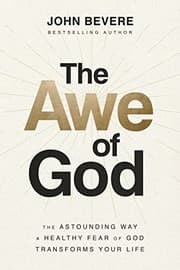
The Awe of God: The Astounding Way a Healthy Fear of God Transforms Your Life
John Bevere
Why it fits: Argues from Scripture that a reverent fear of God, understood as awe, shapes how a person lives.
The Knowledge of the Holy
A. W. Tozer
Why it fits: A short study of the character of God, taking his attributes one at a time, first published in 1961.

The Purpose Driven Life
Rick Warren
Why it fits: A forty-day guided reading that asks what a person is made for, built around five purposes: worship, fellowship, discipleship, ministry and mission.