
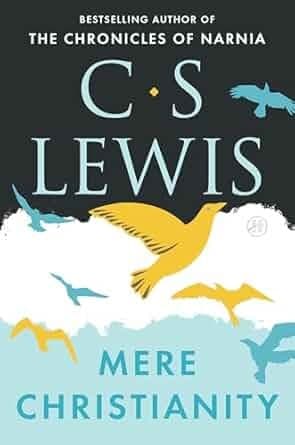
Mere Christianity
C. S. Lewis
Why it's here: A reasoned introduction to the basic beliefs Christians share, drawn from C. S. Lewis's wartime radio talks.
Sermon Registry may earn a small commission if you buy through links marked “Affiliate link”, at no extra cost to you. It never decides what is recommended. How recommendations work
As an Amazon Associate I earn from qualifying purchases.
- ISBN
- 9780060652920
- Publisher
- HarperOne
- Language
- English
About this resource
What it’s about
C. S. Lewis begins with the arguments people make about fairness and right conduct, then asks why they appeal to standards they also fail to keep. From that starting point, Mere Christianity develops an argument for Christian belief and an account of the kind of transformation Christianity promises. The book's concern is the body of belief Lewis sees as common to Christians across different churches, approached through ordinary experience, reasoning and analogy.
What to expect, and who it suits
Its four books move from moral law to Christian belief, Christian behaviour and finally the Trinity and participation in God's life. Along the way Lewis discusses forgiveness, pride, charity, hope and faith. The practical and doctrinal subjects belong together: his account of Christian living concerns what sort of people human beings are becoming, beyond their compliance with particular rules.
The material grew from radio talks given during the Second World War, and retains the directness of speech to listeners who may disagree. Lewis often develops a difficult point through an everyday comparison, making it possible to consider an idea before encountering its technical name. Some illustrations and social assumptions reflect his period, so readers may want to distinguish an argument's central claim from the example used to make it.
This suits curious readers willing to follow a connected argument, as well as Christians seeking language for explaining familiar beliefs. It is particularly useful with a friend who will ask whether each step follows. Read the short chapters in sequence and pause to restate the reasoning in your own words. Expect a distinctive Christian thinker making a case and inviting reflection; the book leaves plenty for readers to test, question and discuss.
Related to
Sermons on Faith



More resources like this
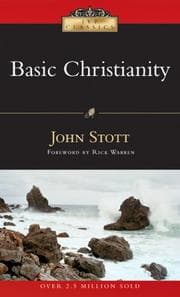
Basic Christianity
John Stott
Why it fits: A clear introduction to the claims of Jesus Christ and the response they call for, first published in 1958.
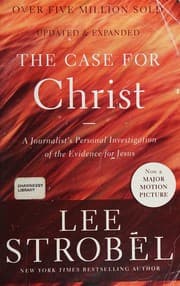
The Case for Christ
Lee Strobel
Why it fits: A former legal journalist interviews scholars about the evidence for Jesus, first published in 1998.
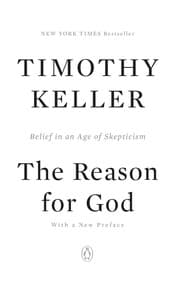
The Reason for God: Belief in an Age of Skepticism
Timothy Keller
Why it fits: A pastor answers the doubts that often keep people from Christianity, then sets out positive reasons for faith.