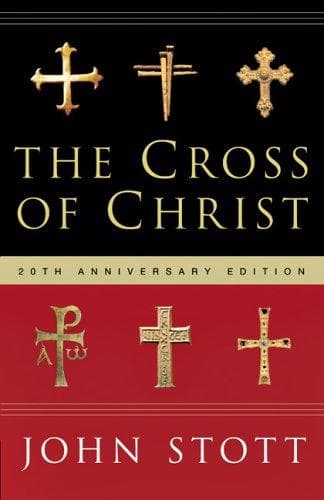
The Cross of Christ
John Stott
Why it's here: A full-length study of why Jesus died and what his death accomplished, first published in 1986.
Sermon Registry may earn a small commission if you buy through links marked “Affiliate link”, at no extra cost to you. It never decides what is recommended. How recommendations work
As an Amazon Associate I earn from qualifying purchases.
- ISBN
- 9780830833207
- Publisher
- InterVarsity Press
- Language
- English
About this resource
What it’s about
Why is forgiveness costly, and why does the cross stand at the centre of Christian faith? John Stott approaches those questions by examining the biblical account of sin, judgement and reconciliation. His central argument is that in Jesus Christ, God himself bears the cost of bringing sinners back to God. The cross therefore reveals God's holiness and love together, with consequences for how Christians worship, understand themselves and treat other people.
What to expect, and who it suits
The book moves from the events of Jesus' death to the theological questions they raise. Stott considers forgiveness, satisfaction and substitution, then explores the cross through themes including salvation, the revelation of God and victory over evil. He brings different biblical pictures into conversation, asking what each contributes to an account of what Christ accomplishes.
The later chapters turn explicitly toward life under the cross: celebration, self-giving, love of enemies and endurance in suffering. This progression is one of the book's strengths. A claim about atonement is followed through into the character of a community, giving readers a way to ask whether their understanding of Jesus' death affects more than what they say at Easter.
Expect a substantial theological study, with close attention to biblical passages and engagement with alternative explanations. It rewards patient reading and is especially useful for Christians who know the outline of the crucifixion but want to understand its meaning more fully. Preachers, teachers and reading groups can take a major section at a time. Keep track of both the problem Stott is addressing and the language he uses to explain the answer; that makes the differences between sacrifice, reconciliation and victory easier to appreciate.