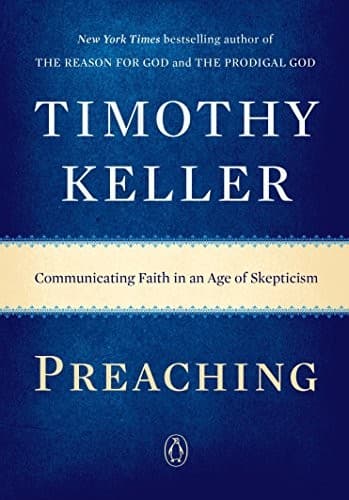
Preaching: Communicating Faith in an Age of Skepticism
Timothy Keller
Why it's here: A pastor's account of preaching that is faithful to the text and speaks to people who doubt, with the gospel at its centre.
Sermon Registry may earn a small commission if you buy through links marked “Affiliate link”, at no extra cost to you. It never decides what is recommended. How recommendations work
As an Amazon Associate I earn from qualifying purchases.
- ISBN
- 9780143108719
- Publisher
- Penguin Books
About this resource
What it’s about
Timothy Keller brings the biblical text and the listening congregation into the same act of preparation. Preaching asks how a speaker can communicate a passage faithfully, connect it to Christ and address the hopes, fears and assumptions of the people hearing it. The problem it tackles is familiar: a message can explain a text correctly while leaving listeners unsure why its claims matter for their own lives.
What to expect, and who it suits
Keller considers how to preach the gospel across the different parts of Scripture and how to speak within a culture that may not share Christian beliefs. His attention to sceptical listeners makes the preacher's assumptions visible. What needs explaining? Which objections deserve to be voiced? Where might a familiar phrase carry a different meaning for someone outside church?
The book also asks what reaches the heart. Keller explores the difference between giving people instructions and bringing the gospel to bear on the desires and loyalties beneath their behaviour. His approach draws together explanation, persuasion and application, with dependence on the Spirit running through the work of speaking. The preacher's own engagement with the message matters alongside the decisions made in preparing it.
This is especially useful for pastors, trainee preachers and Bible teachers whose messages need a clearer connection between the passage and the hearer. Lay Christians who regularly explain their faith may also find the discussion of cultural assumptions valuable. Bring an actual sermon or study outline to the reading and test it chapter by chapter: can a newcomer follow the argument, is Christ central, and does the application address a real reason someone might resist or welcome the message?