Cette page n’a pas encore été entièrement traduite. Une partie ou la totalité du texte ci-dessous s’affiche en English, sa langue d’origine.
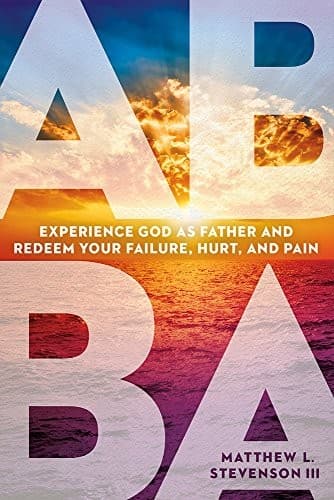
Abba: Experience God as Father and Redeem Your Failure, Hurt, and Pain
Matthew L. Stevenson III
Pourquoi elle est ici : A book about knowing God as Father, written for readers healing from father wounds who struggle to accept God's love.
Sermon Registry peut toucher une petite commission si vous achetez via un lien marqué « Lien affilié », sans surcoût pour vous. Cela ne décide jamais de ce qui est recommandé. Comment les recommandations sont choisies
As an Amazon Associate I earn from qualifying purchases.
- ISBN
- 9781629991818
- Éditeur
- Charisma House
À propos de cette ressource
De quoi il parle
What do you expect God to be like when you disappoint him, need help or feel ashamed? Matthew L. Stevenson III argues that our answers often grow out of experiences and assumptions we have never examined. In Abba, he looks to Jesus' revelation of God as Father to explore Christian identity, security and belonging. The question running through the book is how knowing whose child you are changes what you believe about yourself and what you expect from God.
À quoi s’attendre, et à qui il convient
Stevenson connects the subject of fatherhood with failure, emotional hurt and confidence. He is interested in how a damaged understanding of a father's role can affect worship and trust, and in God's concern for the fatherless. Within his Pentecostal and charismatic approach, spiritual opposition and God's revealing activity are also part of the discussion. That perspective helps explain why the book speaks of receiving a revelation of the Father's heart, rather than simply adopting a more positive opinion of yourself.
Expect teaching addressed directly to the reader, with an emphasis on recognising and reconsidering ideas about God. The practical questions are personal: where did this expectation come from, what does Jesus show of the Father, and how might that change the way I approach him? The value of those questions is that they connect the language of being God's child with the situations in which a person feels least secure.
The book may suit readers who can explain the Christian belief that God loves them but struggle to feel welcome when they pray. It also offers material for conversations about identity, rejection and the effect of family experience on faith. Read it slowly enough to identify which claims describe your own assumptions. Its focus is spiritual and pastoral: coming to know God as Father and considering how that relationship bears on hurt and failure.