The living archive is loading.

Continue exploring
Connected by scripture or shared themes.
Continue exploring
Connected by scripture or shared themes.
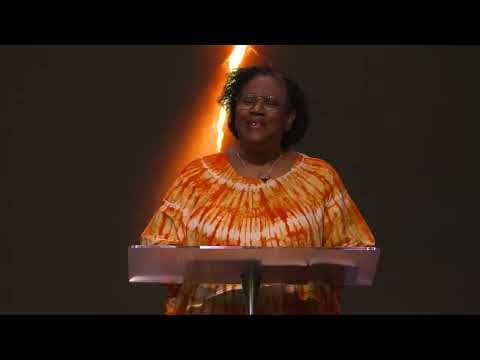
This morning, as we prepare for our Communion service, I want to share a brief word with you on something which has really hit home for me. When I think about the characteristics of God and all of what he does, the one word that has been really speaking to me is his mercy — God's mercy.
I want you to come back with me to think about Christ's last moments on the cross. Imagine with me: Jesus is hanging on the cross and he's breathing laboriously. You could see his ribs protruding from his skin. You can see the goodness of Christ having gone through this ordeal. You can see the crown of thorns piercing, and the blood trickling from his temple. You can see his arms outstretched wide, and you can see the people around him — some jeering him, some crying. Soldiers are there with spears in their hand, ready to do what they need to do.
But in the midst of Christ's laboring breath, he pauses, and in his laboring grief he says three words which give us hope:
"Father, forgive them."
Just those three words. He says more, but he says, "Father, forgive them."
When you think about those three words, they provide us with hope and with promise in our spiritual lives today. Embedded in those three words we find that despite our sinfulness, despite our feelings, and despite all of which we do that goes against God, wrapped up in them is the message of God's mercy towards me and towards you. Within these three words, God's love is expressed in that one word — mercy.
The Scriptures speak of mercy as a theme right through the whole of Scripture. From Genesis to Revelation you will find — hidden in the stories, hidden in the events — there is that one word: mercy.
Brothers and sisters, this word mercy is a powerful word, because our life hinges on God's mercy. We are here today because of God's mercy. We may literally come into church and sit down and think everything is okay, but:
God's mercy, brothers and sisters, is greater than our sin. And that is the theme I want to share with us today: God's mercy is greater than all our sins.
This morning I want to declare that we serve a mighty God who says in Psalm 23:
"Surely goodness and mercy shall follow you all the days of your life."
So what is mercy?
Lamentations 3:23 says that it is through the Lord's mercies that we are not consumed. Aren't you glad this morning that we serve a merciful God? He does not consume us because of our sinfulness.
When we think about God's mercy and his power towards us, the greatest example of God's mercy is Jesus Christ dying on the cross, paying that penalty for you and for me. The greatest example is Jesus paying that debt on the cross.
You and I will never be able to understand in our human mind, in our human thinking, what it really meant for Jesus Christ to die on the cross. But by the grace of God, one day we will understand — we will fully understand what it means. And that's why when heaven comes, we will not cease to want to praise him and to thank him for all that he has done.
And that's why God says to us today: if you hear my voice, harden not your heart. The key word in this passage is the word "today."
Today, if you hear my voice…
This morning, as we prepare for our Communion service, I want to share a brief word with you on something which has really hit home for me. When I think about the characteristics of God and all of what he does, the one word that has been really speaking to me is his mercy — God's mercy.
I want you to come back with me to think about Christ's last moments on the cross. Imagine with me: Jesus is hanging on the cross and he's breathing laboriously. You could see his ribs protruding from his skin. You can see the goodness of Christ having gone through this ordeal. You can see the crown of thorns piercing, and the blood trickling from his temple. You can see his arms outstretched wide, and you can see the people around him — some jeering him, some crying. Soldiers are there with spears in their hand, ready to do what they need to do.
But in the midst of Christ's laboring breath, he pauses, and in his laboring grief he says three words which give us hope:
"Father, forgive them."
Just those three words. He says more, but he says, "Father, forgive them."
When you think about those three words, they provide us with hope and with promise in our spiritual lives today. Embedded in those three words we find that despite our sinfulness, despite our feelings, and despite all of which we do that goes against God, wrapped up in them is the message of God's mercy towards me and towards you. Within these three words, God's love is expressed in that one word — mercy.
The Scriptures speak of mercy as a theme right through the whole of Scripture. From Genesis to Revelation you will find — hidden in the stories, hidden in the events — there is that one word: mercy.
Brothers and sisters, this word mercy is a powerful word, because our life hinges on God's mercy. We are here today because of God's mercy. We may literally come into church and sit down and think everything is okay, but:
God's mercy, brothers and sisters, is greater than our sin. And that is the theme I want to share with us today: God's mercy is greater than all our sins.
This morning I want to declare that we serve a mighty God who says in Psalm 23:
"Surely goodness and mercy shall follow you all the days of your life."
So what is mercy?
Lamentations 3:23 says that it is through the Lord's mercies that we are not consumed. Aren't you glad this morning that we serve a merciful God? He does not consume us because of our sinfulness.
When we think about God's mercy and his power towards us, the greatest example of God's mercy is Jesus Christ dying on the cross, paying that penalty for you and for me. The greatest example is Jesus paying that debt on the cross.
You and I will never be able to understand in our human mind, in our human thinking, what it really meant for Jesus Christ to die on the cross. But by the grace of God, one day we will understand — we will fully understand what it means. And that's why when heaven comes, we will not cease to want to praise him and to thank him for all that he has done.
And that's why God says to us today: if you hear my voice, harden not your heart. The key word in this passage is the word "today."
Today, if you hear my voice…