The living archive is loading.

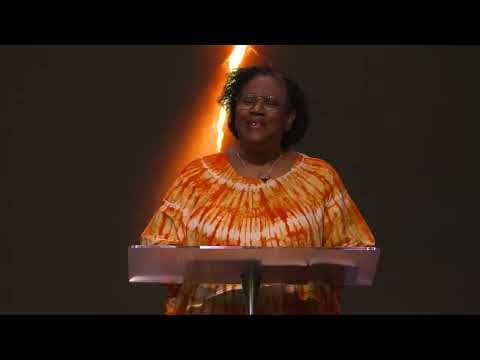
Origins Series - Week 2: Work and Rest
Continue exploring
Connected by scripture or shared themes.
Origins Series - Week 2: Work and Rest
Continue exploring
Connected by scripture or shared themes.
What is the most satisfying thing you have ever achieved? Take a moment and think about it. It could be paid work, an unpaid project, finishing something significant, presenting at a conference, or even having children. Perhaps it was completing a gardening project or renovating a room. There's a deep sense of satisfaction in those moments—and that feeling isn't accidental.
We were designed for moments of fulfillment and purpose. When we look at Genesis 1, we see God creating the world with intentionality and rhythm. It's written as poetry, not as a scientific report. On each day of creation, God saw that it was good. By the seventh day, God had finished his work and rested. Then God blessed the seventh day and made it holy.
Notice how each day God saw his work and declared it good. We all come to work with different ideas about what it means. Some of us see it as doing something meaningful that changes the world. Others come from families where making money and building wealth for retirement was the priority. Some of us feel anxious about work, especially if we grew up in environments where work wasn't presented as positive.
In Genesis 2:7-15, we read:
Then the Lord God formed a man from the dust of the ground and breathed into his nostrils the breath of life. The man became a living being. Now the Lord God had planted a garden in the east in Eden, and there he put man that he had formed... Then God took man and put him in the garden of Eden to work it and take care of it.
The Hebrew word for "work" here carries far more meaning than our English word suggests. It means real active engagement. God didn't ask Adam to do a single task and be done. He invited him into purposeful work that required thought, planning, and full involvement.
Think about it: if you were planting a carrot, you'd consider where to put it—near water? in the sunshine? You'd be fully engaged in the task. That's the kind of work God designed for us. Are we fully engaged in what God has given us to do each day, or do we just clock in and clock out?
Here's something remarkable: the word used for work in Genesis is also used throughout the Old Testament for worship. When Joshua challenged the Israelites after leading them out of slavery, he asked, "Choose you this day who you will serve—will you serve the Lord?" The word "serve" carries that same sense of purposeful engagement.
Work is not just something we do for our boss or for those around us. It's an act of worship to God. Colossians 3:23 says:
Whatever you do, work at it with all your heart as working for the Lord and not for human masters.
So let me ask you: Do you need to think again about the work you're doing? Are you working in a passive way, just going through the motions? Have you become too anxious about work to engage with it at all? What do your days look like? Are they purposeful? It doesn't need to be paid work—it depends on your season of life. But God was purposeful for six days, and on the seventh day, he rested.
We need to acknowledge something important: in Genesis 3, humanity disobeyed God. Sin entered the world, and brokenness came with it. God said to Adam:
Cursed is the ground now because of you; by the sweat of your brow you will eat your food.
Adam and Eve went from a place of beautiful provision to a place where work became hard, frustrating, and exhausting. That's where we live now—in this land between the fall and Jesus's return, when he will make all things new.
Work is hard. People are difficult. Systems are broken. But hard doesn't mean wrong. When Jesus returns, he will restore work to what God always intended it to be. Until then, it involves effort and pain.
I know someone who finally got their dream job, but the first department was extremely difficult. They faced real victimization and had to involve HR. Work can be tough because of the brokenness of the world. Sometimes God asks us to speak up and make a difference in broken places. But here's the promise: Jesus said, "I will always be with you." In the Old Testament, God was with his people as they worked. In the New Testament, Jesus sent his Holy Spirit to be our helper. We are not alone in our work. If your work is tough right now, God has promised through his Holy Spirit to be with us every step of the way.
God gave us a superpower to help us navigate the highs and lows of work: rest. On the seventh day, God rested. He said, "That is enough."
John Mark Comer, an American writer who writes extensively about Sabbath, says:
Sabbath is an invitation to enter delight. It's the best day of the week. It's the day we anticipate on Wednesday, Thursday, and Friday, and the day we remember on Sunday, Monday, and Tuesday. Sabbath is the holy time. We feast, we play, we dance, we have sex, we sing, we pray, we laugh, we tell stories, we read, we paint, we walk, and we watch creation in all its fullness.
He also says something challenging: "Few people are willing to enter Sabbath and to sanctify it and make it holy, because a full day of delight and joy is more than most people can bear in a lifetime, let alone a week."
I grew up in a family that valued Sabbath. My parents would work hard during the week—my dad in his job and my mom at church and at home—and on Saturday, they'd get into the garden together. It was an important way they stepped back from their normal routine. But I've learned that my temptation is to fill even that day with tasks and helping others, rather than truly resting.
What are you good at with rest? What are you bad at?
Sabbath is not recovery. It's important not to collapse into your Sabbath day. God rested on the seventh day, but notice—at the end of each other day, he stopped and said it was good. He'd already developed a pattern of gratitude for the days before, laying them down and picking up the next day fresh. By the time he reached the Sabbath, he could see that everything was good. He had perspective. It wasn't because he was tired; it was because he wanted to look back with gratitude.
The Sabbath is a sign that you don't have an addiction problem with work. When you lay down work—whether that's paid work, caring for people, or household tasks—you release control. There are so many things that clutter our lives, leaving us no space to stop and rest. The word "recreation" is lovely: it means to recreate yourself.
Work can become an idol. Just as the people in the Old Testament had to choose to worship Yahweh instead of other idols around them, work can become an idol for us. To stop is an act of spiritual warfare—it says, "No, I choose this day not to feed that idol of work."
Sabbath cultivates freedom. The Israelites who read the Genesis passages had come out of Egyptian slavery, where they never had rest. They worked all the time. Learning Sabbath was countercultural for them—and often it is for us, too. It's a way of reclaiming freedom that work has stolen.
The Sabbath is your gift to God, not an obligation. Traditionally, the church has made Sabbath very strict: you must come to church, you must do this, you mustn't do that. But God's heart wasn't rules; it was a wonderful framework in which to run and play and have fun. If we're still working or still doing, we're not really stopping and resting. God's heart for us is that it wouldn't be a day of nos, but a day of yeses. It's like celebrating someone's birthday—you don't do it because you have to; you do it because you love them. In the same way, we celebrate a day with God out of freedom.
Sabbath resets your perspective. When my husband Ben and I go for a walk on our Sabbath (which we observe on Friday), we often leave town and go somewhere peaceful. It gives us a chance to think over our week and gain new perspective. I often find that God really speaks to me in those moments, out in creation. Observing the Sabbath means intentionally stepping away from self-focus and endless driving, allowing you to lift your head and see what God is doing in your world.
God said, "Work for six and stop for one." But Sabbath is also a principle. There might be moments within your day when you need to stop and say, "Lord, I'm lifting my eyes again. I'm choosing not to feed the idol of work. Help me regain some control and spend a moment with you."
If you're on shift patterns, your Sabbath will look very different. The temptation is always to overwork, so be careful about how many hours you say yes to. But consider this: It's a spiritual victory every time you walk away from your computer at 5 p.m. It's a victory to stop emailing at the meal table. It's a victory to say no to that work trip because you haven't seen your family in a long while.
It's a spiritual victory to say yes to getting out of bed every week to be with your church family on a Sunday. It's a yes to switching off the TV and going for a walk in creation. These are moments to be spiritually awake again. Isn't that a blessing at the end or beginning of every week?
Maybe you need to re-evaluate work. Perhaps God is calling you back to purposeful work, not away from it. Work is good—God created it. But what does it look like in your world? It doesn't have to be paid, but it does need to be purposeful.
Has work become an idol for you? Does it demand more than it should? Do you need some friends to pray with you about whether your work is healthy right now, or whether there's too much brokenness from the fall? Maybe God is inviting you into a new place.
Or perhaps you need to reclaim Sabbath. Stop and say, "It is good. That's enough." Maybe you need to practice delighting in things you love. What brings you joy? Prioritize that over the next few months and get into good habits of recreation.
Why don't you take your diary, get on your knees, and ask: "Lord, how should I plan my week? What should I do about the work you've given me on earth?"
May this Sabbath bring rest and joy to our hearts and homes. May today be a little less go and a little more slow. May we care less about things and care more for people. As we relax in God's love, may we take time to listen and remember that we are all God's children. Amen.
What is the most satisfying thing you have ever achieved? Take a moment and think about it. It could be paid work, an unpaid project, finishing something significant, presenting at a conference, or even having children. Perhaps it was completing a gardening project or renovating a room. There's a deep sense of satisfaction in those moments—and that feeling isn't accidental.
We were designed for moments of fulfillment and purpose. When we look at Genesis 1, we see God creating the world with intentionality and rhythm. It's written as poetry, not as a scientific report. On each day of creation, God saw that it was good. By the seventh day, God had finished his work and rested. Then God blessed the seventh day and made it holy.
Notice how each day God saw his work and declared it good. We all come to work with different ideas about what it means. Some of us see it as doing something meaningful that changes the world. Others come from families where making money and building wealth for retirement was the priority. Some of us feel anxious about work, especially if we grew up in environments where work wasn't presented as positive.
In Genesis 2:7-15, we read:
Then the Lord God formed a man from the dust of the ground and breathed into his nostrils the breath of life. The man became a living being. Now the Lord God had planted a garden in the east in Eden, and there he put man that he had formed... Then God took man and put him in the garden of Eden to work it and take care of it.
The Hebrew word for "work" here carries far more meaning than our English word suggests. It means real active engagement. God didn't ask Adam to do a single task and be done. He invited him into purposeful work that required thought, planning, and full involvement.
Think about it: if you were planting a carrot, you'd consider where to put it—near water? in the sunshine? You'd be fully engaged in the task. That's the kind of work God designed for us. Are we fully engaged in what God has given us to do each day, or do we just clock in and clock out?
Here's something remarkable: the word used for work in Genesis is also used throughout the Old Testament for worship. When Joshua challenged the Israelites after leading them out of slavery, he asked, "Choose you this day who you will serve—will you serve the Lord?" The word "serve" carries that same sense of purposeful engagement.
Work is not just something we do for our boss or for those around us. It's an act of worship to God. Colossians 3:23 says:
Whatever you do, work at it with all your heart as working for the Lord and not for human masters.
So let me ask you: Do you need to think again about the work you're doing? Are you working in a passive way, just going through the motions? Have you become too anxious about work to engage with it at all? What do your days look like? Are they purposeful? It doesn't need to be paid work—it depends on your season of life. But God was purposeful for six days, and on the seventh day, he rested.
We need to acknowledge something important: in Genesis 3, humanity disobeyed God. Sin entered the world, and brokenness came with it. God said to Adam:
Cursed is the ground now because of you; by the sweat of your brow you will eat your food.
Adam and Eve went from a place of beautiful provision to a place where work became hard, frustrating, and exhausting. That's where we live now—in this land between the fall and Jesus's return, when he will make all things new.
Work is hard. People are difficult. Systems are broken. But hard doesn't mean wrong. When Jesus returns, he will restore work to what God always intended it to be. Until then, it involves effort and pain.
I know someone who finally got their dream job, but the first department was extremely difficult. They faced real victimization and had to involve HR. Work can be tough because of the brokenness of the world. Sometimes God asks us to speak up and make a difference in broken places. But here's the promise: Jesus said, "I will always be with you." In the Old Testament, God was with his people as they worked. In the New Testament, Jesus sent his Holy Spirit to be our helper. We are not alone in our work. If your work is tough right now, God has promised through his Holy Spirit to be with us every step of the way.
God gave us a superpower to help us navigate the highs and lows of work: rest. On the seventh day, God rested. He said, "That is enough."
John Mark Comer, an American writer who writes extensively about Sabbath, says:
Sabbath is an invitation to enter delight. It's the best day of the week. It's the day we anticipate on Wednesday, Thursday, and Friday, and the day we remember on Sunday, Monday, and Tuesday. Sabbath is the holy time. We feast, we play, we dance, we have sex, we sing, we pray, we laugh, we tell stories, we read, we paint, we walk, and we watch creation in all its fullness.
He also says something challenging: "Few people are willing to enter Sabbath and to sanctify it and make it holy, because a full day of delight and joy is more than most people can bear in a lifetime, let alone a week."
I grew up in a family that valued Sabbath. My parents would work hard during the week—my dad in his job and my mom at church and at home—and on Saturday, they'd get into the garden together. It was an important way they stepped back from their normal routine. But I've learned that my temptation is to fill even that day with tasks and helping others, rather than truly resting.
What are you good at with rest? What are you bad at?
Sabbath is not recovery. It's important not to collapse into your Sabbath day. God rested on the seventh day, but notice—at the end of each other day, he stopped and said it was good. He'd already developed a pattern of gratitude for the days before, laying them down and picking up the next day fresh. By the time he reached the Sabbath, he could see that everything was good. He had perspective. It wasn't because he was tired; it was because he wanted to look back with gratitude.
The Sabbath is a sign that you don't have an addiction problem with work. When you lay down work—whether that's paid work, caring for people, or household tasks—you release control. There are so many things that clutter our lives, leaving us no space to stop and rest. The word "recreation" is lovely: it means to recreate yourself.
Work can become an idol. Just as the people in the Old Testament had to choose to worship Yahweh instead of other idols around them, work can become an idol for us. To stop is an act of spiritual warfare—it says, "No, I choose this day not to feed that idol of work."
Sabbath cultivates freedom. The Israelites who read the Genesis passages had come out of Egyptian slavery, where they never had rest. They worked all the time. Learning Sabbath was countercultural for them—and often it is for us, too. It's a way of reclaiming freedom that work has stolen.
The Sabbath is your gift to God, not an obligation. Traditionally, the church has made Sabbath very strict: you must come to church, you must do this, you mustn't do that. But God's heart wasn't rules; it was a wonderful framework in which to run and play and have fun. If we're still working or still doing, we're not really stopping and resting. God's heart for us is that it wouldn't be a day of nos, but a day of yeses. It's like celebrating someone's birthday—you don't do it because you have to; you do it because you love them. In the same way, we celebrate a day with God out of freedom.
Sabbath resets your perspective. When my husband Ben and I go for a walk on our Sabbath (which we observe on Friday), we often leave town and go somewhere peaceful. It gives us a chance to think over our week and gain new perspective. I often find that God really speaks to me in those moments, out in creation. Observing the Sabbath means intentionally stepping away from self-focus and endless driving, allowing you to lift your head and see what God is doing in your world.
God said, "Work for six and stop for one." But Sabbath is also a principle. There might be moments within your day when you need to stop and say, "Lord, I'm lifting my eyes again. I'm choosing not to feed the idol of work. Help me regain some control and spend a moment with you."
If you're on shift patterns, your Sabbath will look very different. The temptation is always to overwork, so be careful about how many hours you say yes to. But consider this: It's a spiritual victory every time you walk away from your computer at 5 p.m. It's a victory to stop emailing at the meal table. It's a victory to say no to that work trip because you haven't seen your family in a long while.
It's a spiritual victory to say yes to getting out of bed every week to be with your church family on a Sunday. It's a yes to switching off the TV and going for a walk in creation. These are moments to be spiritually awake again. Isn't that a blessing at the end or beginning of every week?
Maybe you need to re-evaluate work. Perhaps God is calling you back to purposeful work, not away from it. Work is good—God created it. But what does it look like in your world? It doesn't have to be paid, but it does need to be purposeful.
Has work become an idol for you? Does it demand more than it should? Do you need some friends to pray with you about whether your work is healthy right now, or whether there's too much brokenness from the fall? Maybe God is inviting you into a new place.
Or perhaps you need to reclaim Sabbath. Stop and say, "It is good. That's enough." Maybe you need to practice delighting in things you love. What brings you joy? Prioritize that over the next few months and get into good habits of recreation.
Why don't you take your diary, get on your knees, and ask: "Lord, how should I plan my week? What should I do about the work you've given me on earth?"
May this Sabbath bring rest and joy to our hearts and homes. May today be a little less go and a little more slow. May we care less about things and care more for people. As we relax in God's love, may we take time to listen and remember that we are all God's children. Amen.